“Working and Trusting” and Following the Song: The Invisibilization of Musical Labor in Brazil's Academic Periphery[1]
Wesley HiginoPhD CandidateUniversidade Federal do Rio de Janeiro, UFRJwesley.nhp@gmail.com 
INTRODUCTION
I am a young music researcher born, educated and based in Espírito Santo, a state in southeastern Brazil. When I learned that Rising Voices had chosen “Labor, Value, and the (Job) Market” as its theme for this issue, I recognized an opportunity to address a problem that has shaped my own trajectory and that of many colleagues in similar contexts – the structural scarcity of professional opportunities for music scholars in regions that remain peripheral to national academic networks.[2]
Espírito Santo occupies an ambiguous position within Brazil's geographic and symbolic landscape. Situated between Bahia and Rio de Janeiro, two states whose musical traditions (Samba, Carnival, Afro-Brazilian religiosity) have been central to the nation's cultural identity, Espírito Santo historically contributed little to Brazil's musical canon – or was made to. Despite being part of the country's wealthiest region (the Southeast), it ranks fourteenth in GDP among twenty-seven states, a marginal position that has historically mobilized local political and economic elites around a propellant ideology of progress, crystallized in the state motto Trabalha e Confia (Work and Trust). While graduate programs in music have been established in several Brazilian states since the 1970s, particularly at institutions such as the Universidade de São Paulo (USP) and the Universidade Federal da Bahia (UFBA), Espírito Santo remains one of the few states without such infrastructure, a gap that reflects its longer history of institutional fragility.
This article examines how this configuration shapes the labor market for music scholars who seek to remain in the state, and what this case reveals about the uneven circulation of value and opportunity within Brazilian musicology. The historical research draws primarily on state legislation, government documents, press records from Revista Vida Capichaba, and existing local scholarship on music education in Espírito Santo. Drawing on these sources alongside critical autoethnography, I argue that the late and unstable institutionalization of music in Espírito Santo produces not only a scarcity of jobs, but also a systematic invisibilization and devaluation of musicological labor in contexts that fall outside established academic centers.
Through this framework, I trace not a linear progression but an accumulation of actions, projects, and contradictions that have shaped musical practice and its institutionalization in Espírito Santo. By critically examining how social and political arrangements have controlled the circulation of symbolic and scientific capital, I offer a reflexive account of my own position within this field and my possibilities for action within it. This is, therefore, a history not of cold documents but of agents historically and socially situated: their actions imbued with sociocultural meanings, their projects interrupted or rearranged by contingency, their struggles shaped by uneven competing forces.
THE INSTITUTIONALIZATION OF MUSIC IN ESPÍRITO SANTO
This section adopts a genealogical approach, treating the history of music in Espírito Santo as a “history of the present” (Foucault 1977) that examines how past institutional arrangements continue to shape current conditions of musicological labor. As historical ethnomusicology continues to develop its methodological frameworks (McCollum and Hebert 2014), interdisciplinary dialogue remains essential. This genealogy therefore interconnects with a longer tradition of dialogue between history and the social sciences in French historiography (Burke 2005; Chartier 1988; Dosse 1994; Burguière 1978), a tradition particularly relevant here given its sustained engagement with anthropology – a foundational discipline for ethnomusicology itself.
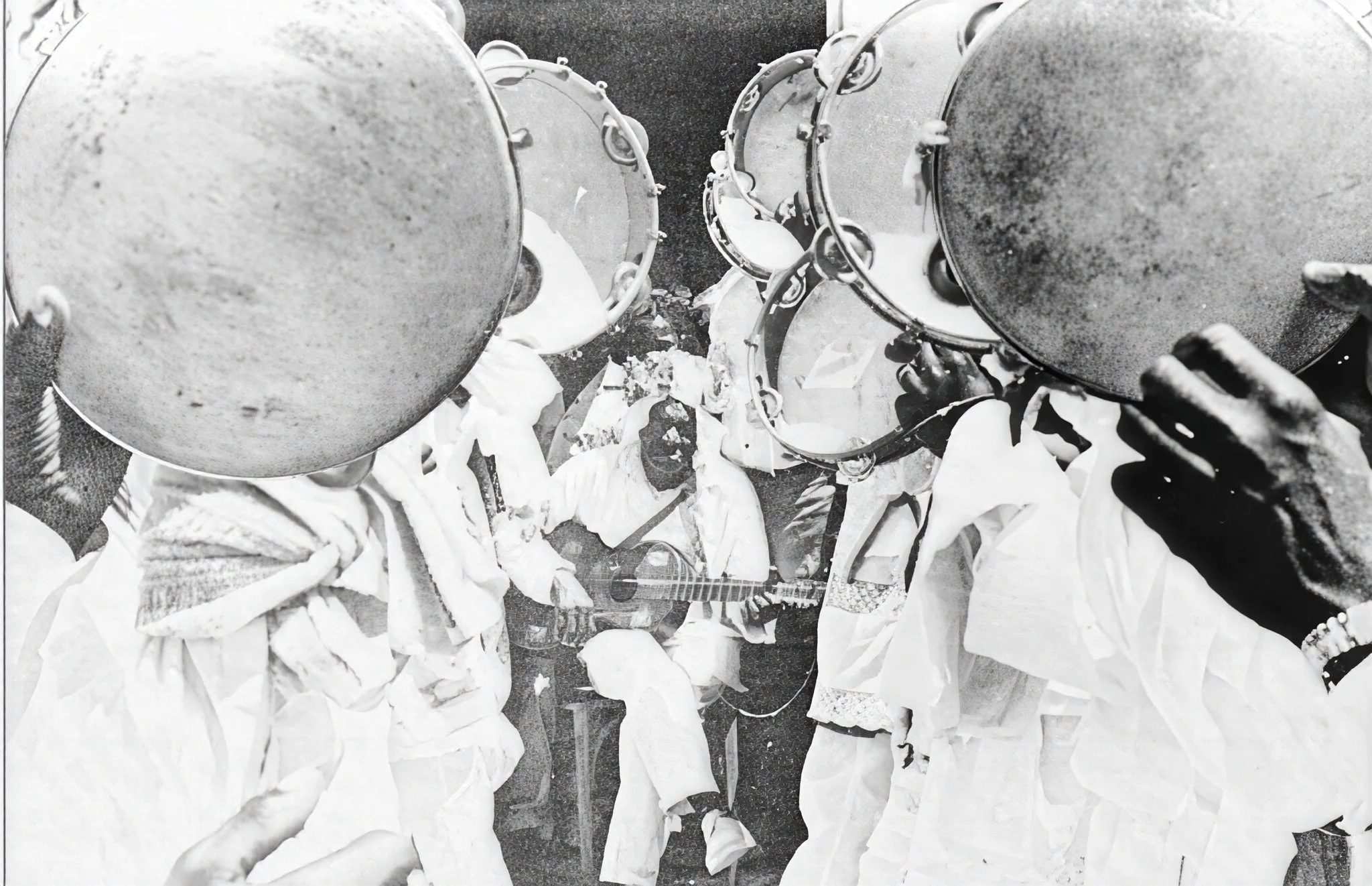
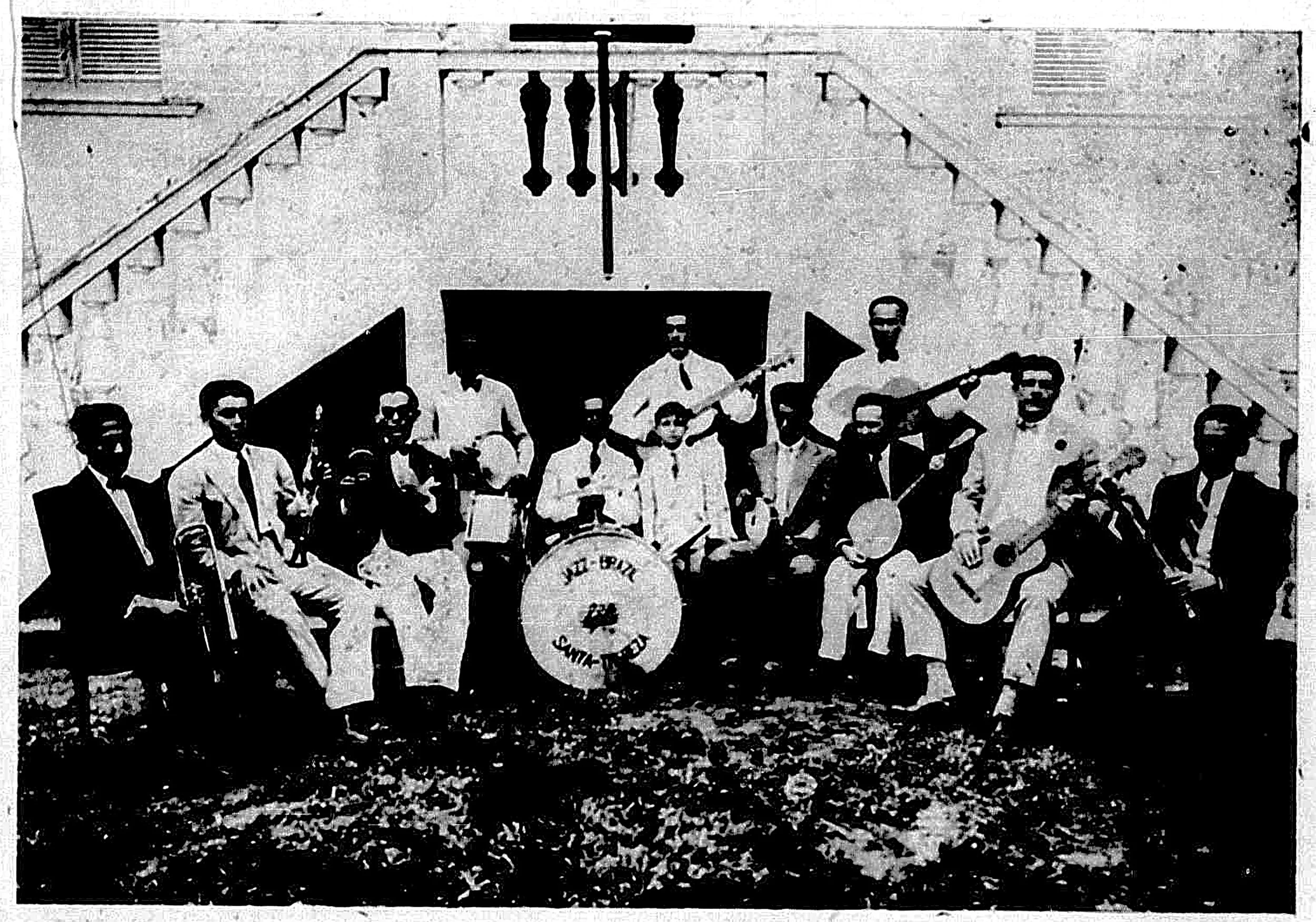
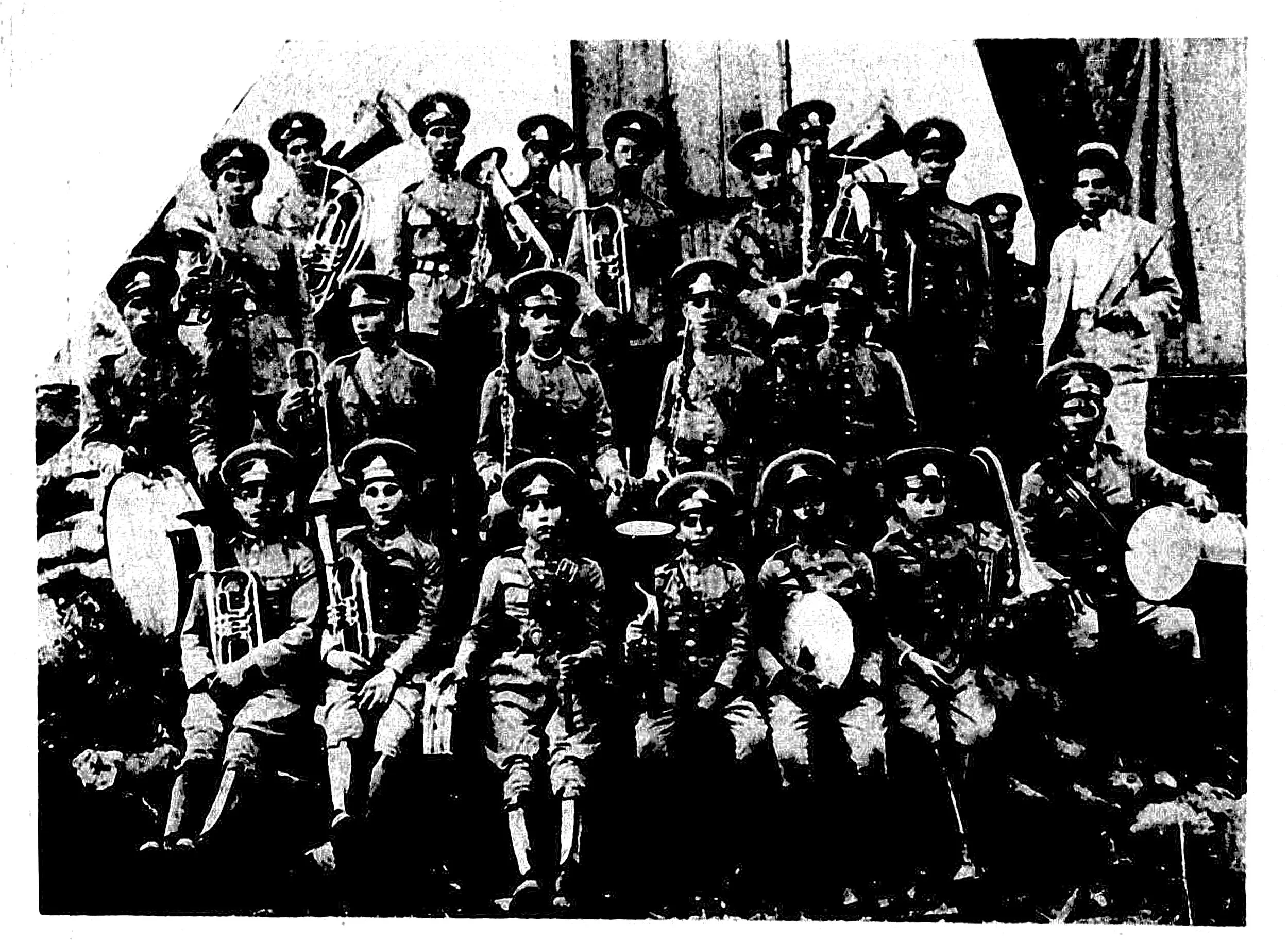
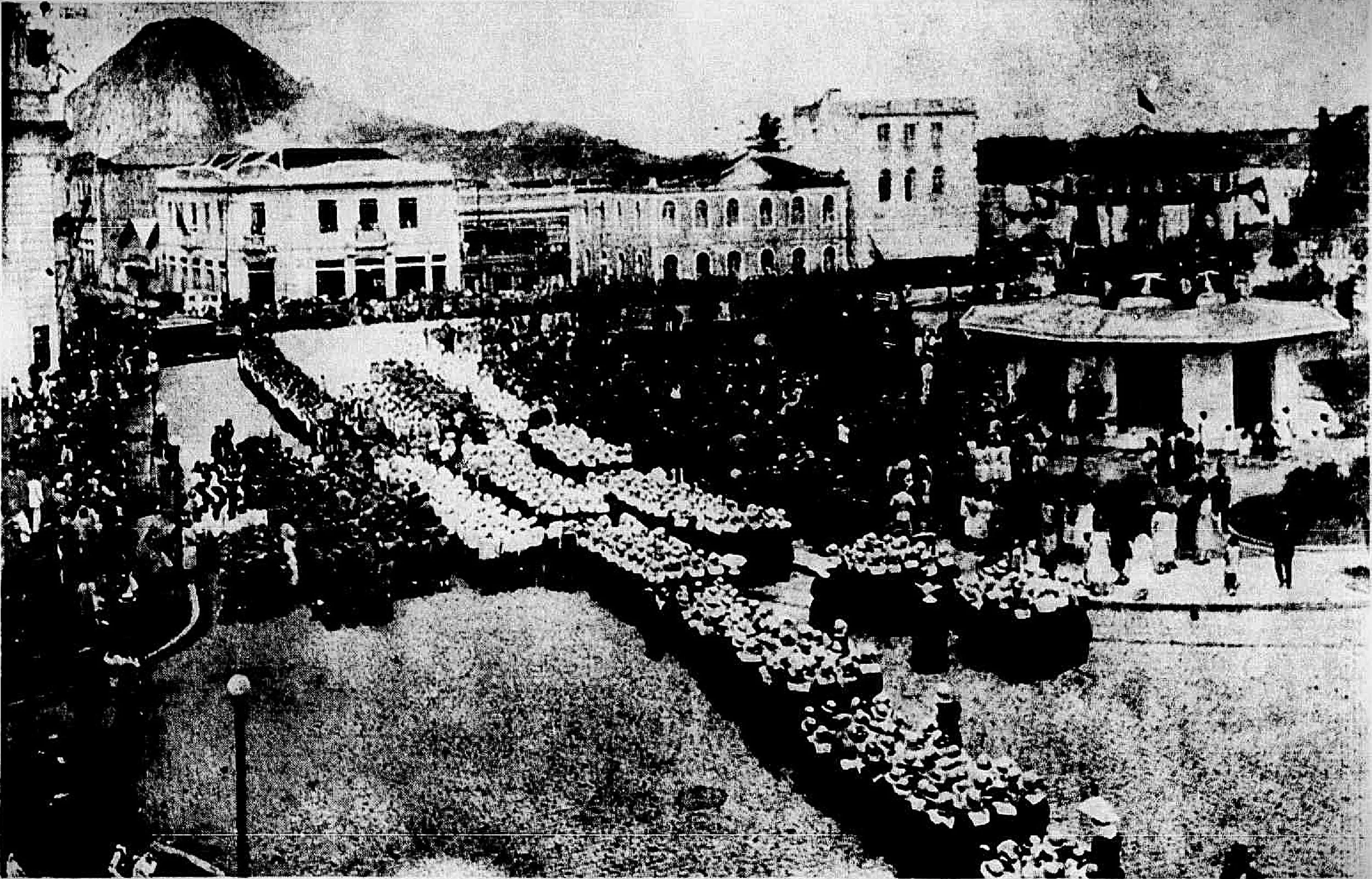
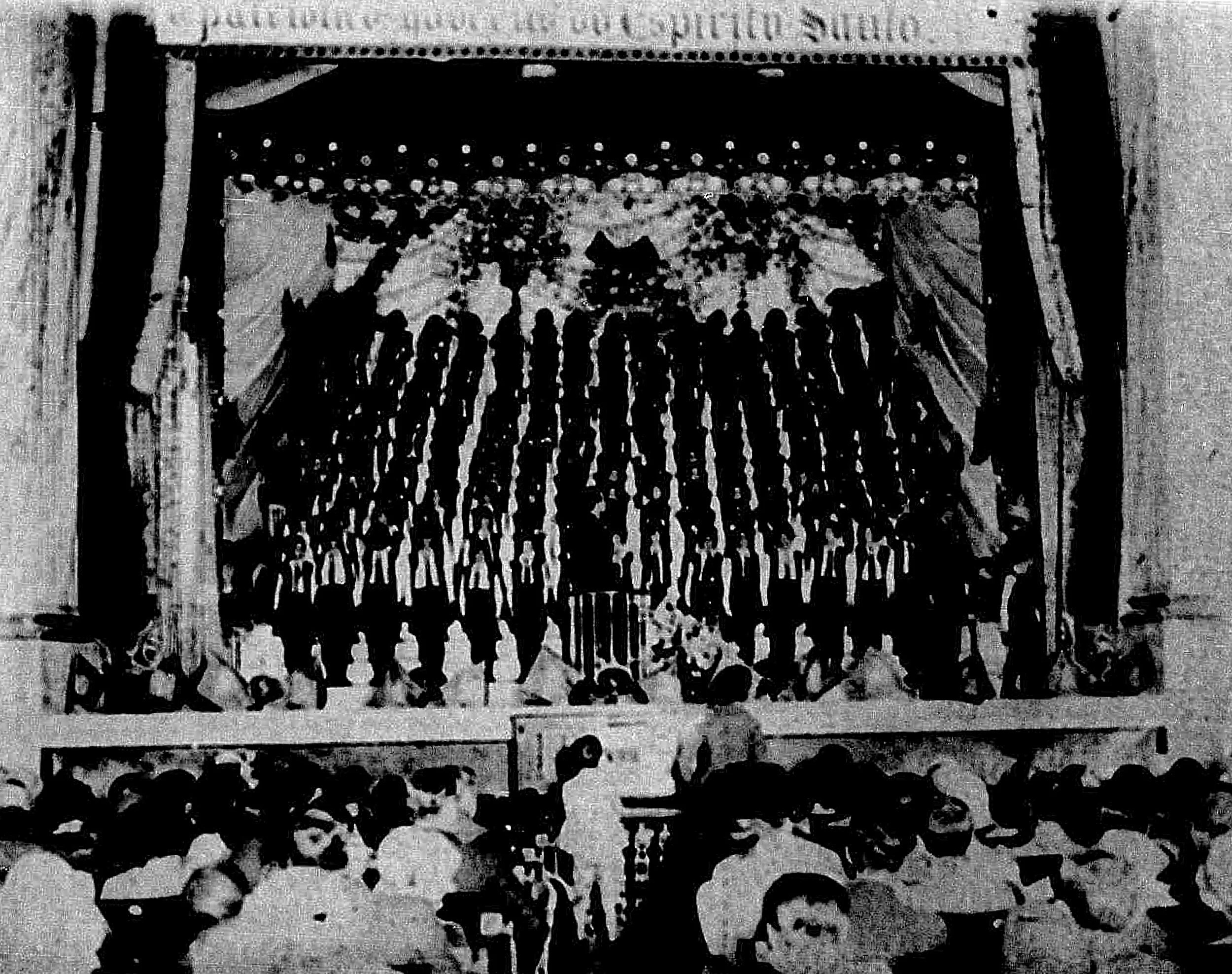
During the first half of the twentieth century, musical practice in Espírito Santo could be roughly organized into five axes: (a) música artística (art music) participating in “high culture” events, (b) the eclectic music of bandas de música (community bands) that animated civic events, local festivals, and religious activities, (c) big bands that enlivened urban nightlife in social clubs, (d) music embedded in educational contexts through canto orfeônico (orfeonic singing), and (e) traditional sound practices, multiple in their sonorities and communal experiences. Some of these musical practices can be seen in Figures 1 to 8. As in other Brazilian states, the principal musical practices accepted for institutionalization[3] (which meant receiving social prestige, official authorization, and technical and financial public resources) were “art music” and music education with a civilizing function mediated by canto orfeônico.[4]
Figure 1: Ticumbi of Conceição da Barra. Source: Tradições Populares no Espírito Santo. In: Fonseca (1991). Photograph: Rogério Medeiros.
Figure 2: Jazz band Jazz-Brazil from Santa Teresa, in the interior of Espírito Santo. 1930. Source: Revista Vida Capichaba, Number 215.
Figure 3: Military Band Euterpe Sabinense from the city of Sabino Pessôa (Jerônimo Monteiro), in the interior of Espírito Santo. The city later received the name of the Governor Jerônimo Monteiro in 1958. 1929. Source: Revista Vida Capichaba, Number 177.
Music educator Ademir Adeodato (2016) has conducted an important study on the history of music education in Espírito Santo's capital, from which I draw in this paragraph. In the early twentieth century, two public education reforms implemented in 1908 and 1928 projected an educational movement that would pave the way for capixaba[5] progress, grounded in civic and patriotic education. Governor Jerônimo Monteiro, at the time of the first reform, stated: “It is easier to govern a cultured people, jealous of their prerogatives and rights, with a clear understanding of their duties, than an ignorant people, indocile, without initiative, and enemies of progress” (Monteiro 1912). Music would play a fundamental role in this process, being attributed a civilizing function of emotional control, learning facilitation, and patriotic expression in republican events. The same governor noted: “Songs and enactments of our great dates keep the child's spirit always disposed to study, facilitate comprehension, and lead them to receive instruction with ease and pleasure, submitting cheerfully to school discipline and sympathizing with the school” (Monteiro 1912).
Figure 4: Civic parade of primary school students from the capital of Espírito Santo, Vitória. 1927. Source: Revista Vida Capichaba, Year 5, Number 101.
Figure 5: Performance of the Coro Orfeônico of the Escola Normal “Pedro II” at the Teatro Carlos Gomes. Paulo Gomes Cardim, responsible for the planning and execution of the 1928 educational reform, is conducting the group. Piano accompaniment by the pianist and music educator Auñon Sierra. 1929. Source: Revista Vida Capichaba, Number 196.
Art music in Espírito Santo was marked by intense female leadership. Since the late nineteenth century, capixaba female children and women were directed toward musical study in female schools to acquire socially desirable “accomplishments” and become “mothers of families” who played piano and taught their daughters (Adeodato 2016), as observed in other regions in Brazil (Araújo and Vieira 2020; Carvalho 2013; Pensador and Souza 2023). This association of piano and art music with femininity constructed a clear gender division: women were expected to cultivate artistic sensitivity and domestic roles, while men were directed toward science, law, engineering, and politics, professions aligned with “progress” (Lucena 2009). Consequently, men from wealthy families were virtually absent from art music throughout the twentieth century in Espírito Santo, as they were expected to become bacharéis (Bachelor of Law or Engineering). Men who pursued music professionally came from lower-income families, working in military bands or big bands that entertained upper-class social events.
The gendered dynamics of musical life in Espírito Santo were central to the devaluation of musical labor, as the demands of women musicians and arts enthusiasts were systematically dismissed by a patriarchal structure that maintained exclusive male control over public institutions. Given the conditions and spaces permitted by patriarchy, upper-class capixaba women, rather than adopting passive and submissive postures, sought to expand their social sphere through teaching classical music, organizing cultural events, and creating musical institutions.
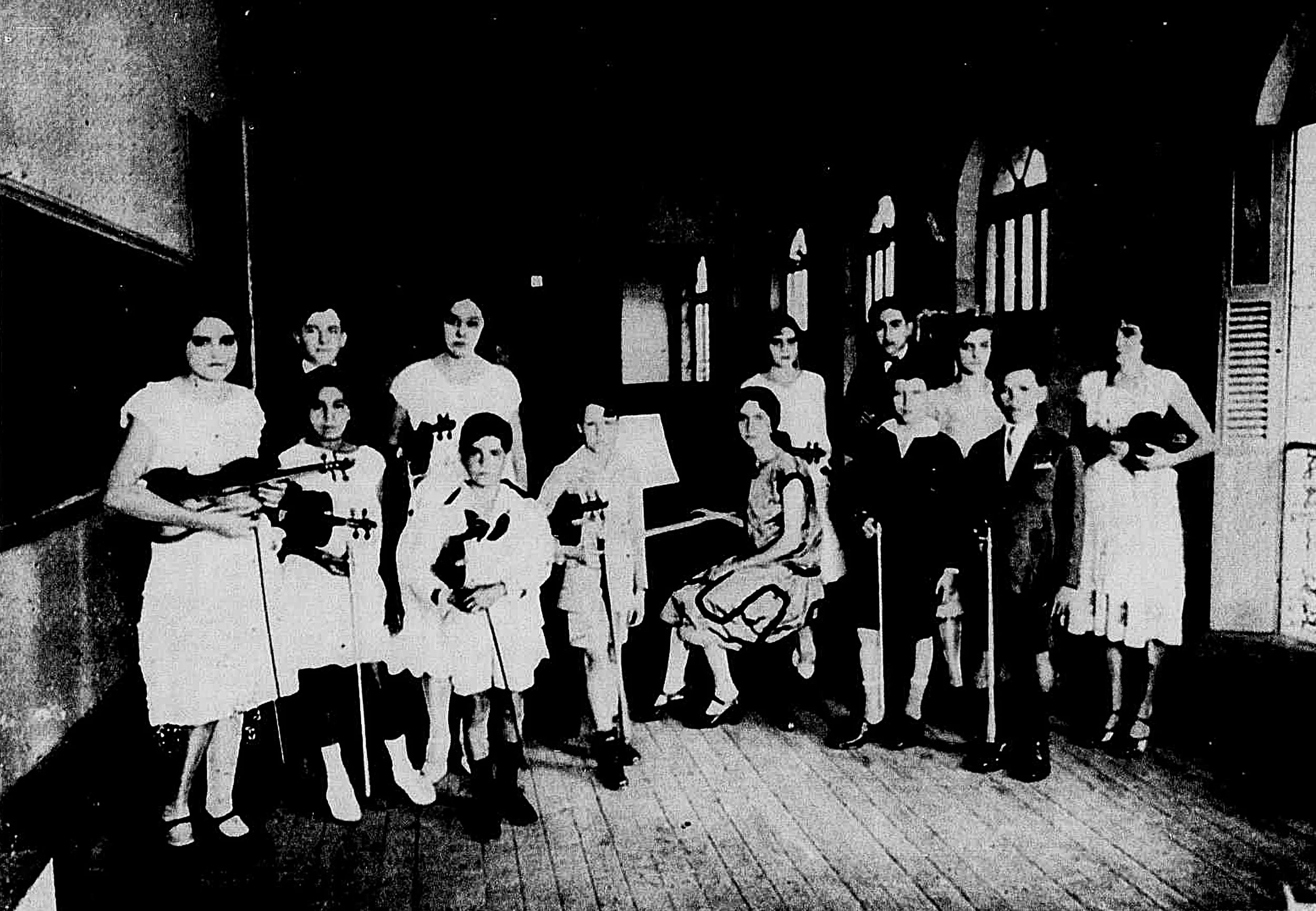
This was a slow process, though. Beginning in the 1920s, it would only yield a lasting public institution in 1954, with the founding of the Escola de Música do Espírito Santo, itself first directed by a woman. Until then, women's leadership unfolded primarily through private musical organizations and lessons. Female pianists such as Cecília Araújo, Noemita Silva, Celina Eschmann, and Aurea Adnet taught piano and performed regular recitals, as did the Italian violinist Ida Barbieri, animating the capital's cultural scene in the 1920s and 1930s.
Records from Revista Vida Capichaba include texts by anonymous women writers demonstrating their claimed protagonism in cultural life. In April 1931, in the “Feminea” column maintained by anonymous writers, one can read: “Our words of encouragement to club directors for organizing artistic gatherings by taking advantage of the outstanding elements in our social milieu did not fall on deaf ears” (Feminea 1931). This represents an active search for social space where they would lead cultural development. The excerpt “outstanding elements in our social milieu” is a self-referential claim, reflecting women's predominant role in the capital's cultural activities. Another text by an anonymous writer employs a clever play on words to provoke directors of cultural and entertainment institutions: “We want to appreciate the capixaba woman in the arts, painting, music, literature, declamation, singing [canto]… not in the corner [canto].” (Sociaes 1932).
Common to all was the social value attributed to musical training acquired in Rio de Janeiro at the Instituto Nacional de Música, as observed in the personal trajectories of pianist Aurea Adnet and violinist Alda Sá (Arte: Sta. Aurea Adnet 1932; Arte: Concerto Aurea Adnet 1933; Artistas de nossa terra 1938). Training acquired in the Brazilian capital represented a significant gain in symbolic capital for these women musicians, but it did not translate into official institutional leadership positions for the development of music education in Espírito Santo.
Figure 6: Ida Barbieri and her violin students from the public school Escola Normal “Pedro II”. Note the presence of boys in her class. 1927. Source: Revista Vida Capichaba, Number 89.
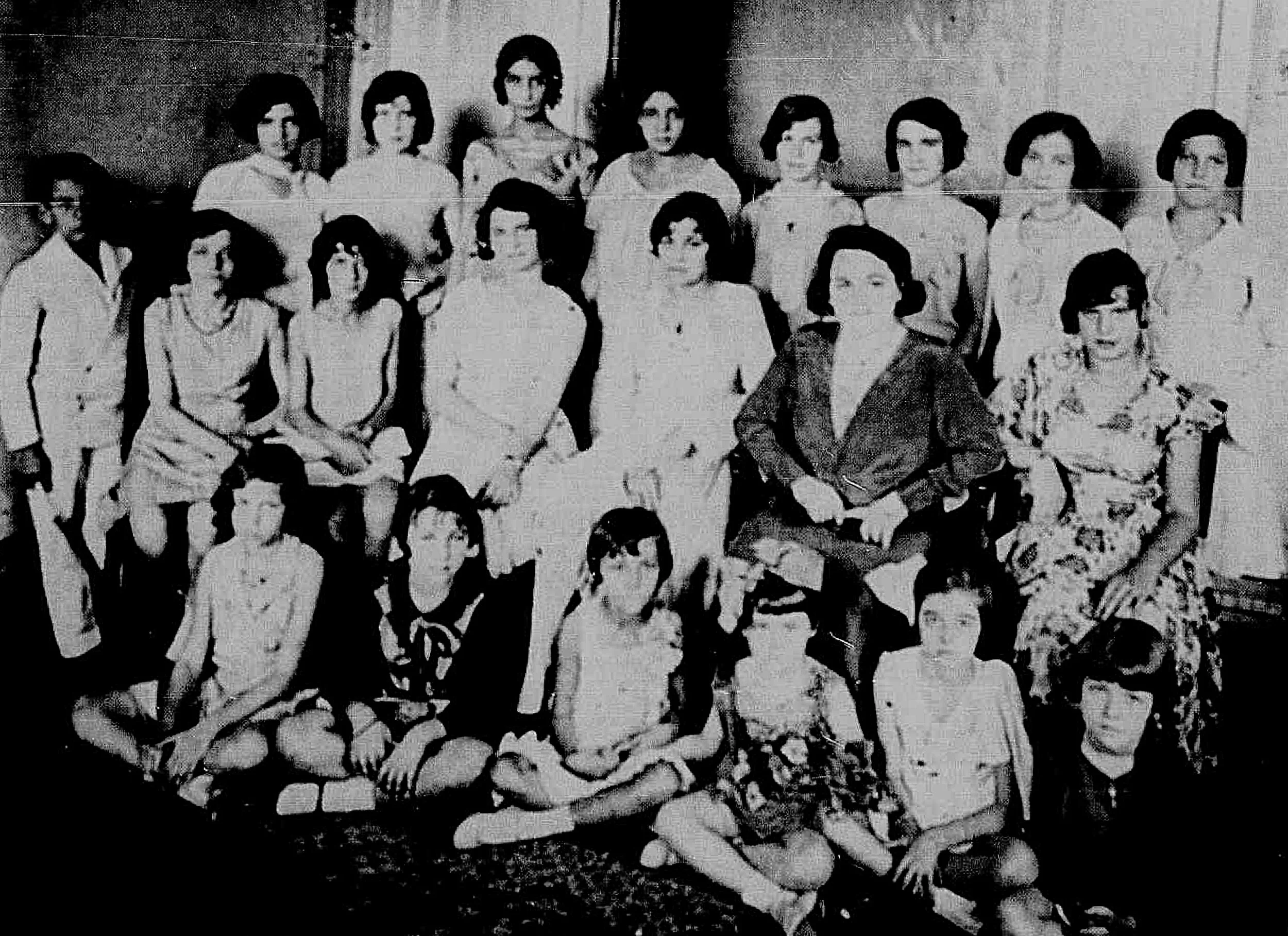
Another key figure was the pianist Ricardina Stamato, who migrated to Espírito Santo in 1929 after marrying the lawyer Antônio Honório Júnior, born in Espírito Santo. Shortly after her arrival, she was appointed director of the Escola de Música de Vitória[6], an institution that, like the earlier Instituto de Música (created in 1923), had a short lifespan. Existing bibliographic references describe these initiatives as “ephemeral” but do not detail the reasons for their closure (Martins 2006; Carneiro and Ribeiro 2010; Borgo 2014). What is clear, however, is a pattern of institutional discontinuity: music was not an administrative priority. For the next thirty years, no public music institution was established, until 1954, when the Escola de Música do Espírito Santo finally opened its doors, with Ricardina Stamato as its first director.
Figure 7: Ricardina Stamato and her piano class. Note the absence of boys, as her students were predominantly girls from elite families. Wealthy families did not direct their sons toward musical training, a contrast with the boys in Ida Barbieri's violin class at the public school Escola Normal 'Pedro II. 1930. Source: Revista Vida Capichaba, Number 238.
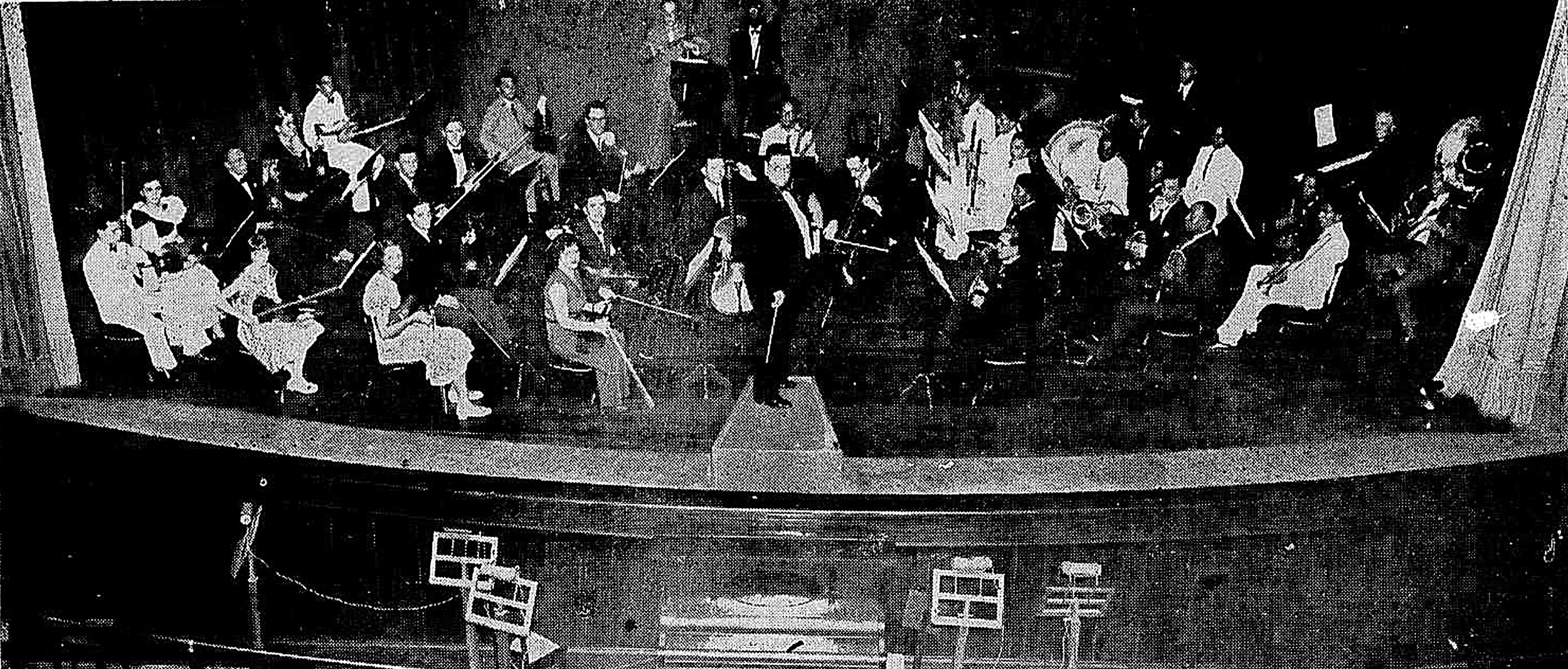
In the interim, the artistic community mobilized itself to sustain cultural life through the founding of the Sociedade Musical Espírito-santense (SME) in 1933 (Music Society of Espírito Santo). This private institution organized chamber music concerts, recitals with local and national musicians, and orchestral performances adapted to available personnel. Press coverage indicates the SME's cultural impact: “The vertiginous pace of modern civilization has swept up the capixaba. The cultural environment is expanding prodigiously” (Chronica 1933). Throughout the 1930s, SME presented concerts featuring prominent local musicians, many trained outside Espírito Santo, at Rio de Janeiro's Instituto Nacional de Música or abroad, including Ernesto Strobach, Ricardina Stamato, Ida Barbieri, and Bruno Waldbach. As Figure 8 illustrates, however, access to this kind of training was not equally distributed: Black musicians appear exclusively on the right side of the orchestra, among wind and percussion instruments, suggesting that community and military bands were the primary avenue of musical training and labor available to them.
These dynamics reveal that the barriers to musical institutionalization in Espírito Santo were not only institutional but also racial and gendered. Human resources existed across different social positions (women musicians, Black band members, and formally trained performers) each contributing to cultural life in the ways available to them, yet none receiving the institutional recognition their labor deserved. What was lacking was not skilled and committed musicians, but long-term state investment and planning in cultural institutions.
Figure 8: Orchestra of the Sociedade Musical Espírito-santense. Note that the orchestra can be almost divided into two parts: the left side, with strings, featuring young women and men, possibly the result of Ida Barbieri's teaching work; and the right side, with wind and percussion instruments, with a predominantly male presence, possibly members of community bands or big bands from the capital. 1934. Source: Revista Vida Capichaba, Number 364.
This scenario began to shift with the founding of the Escola de Música do Espírito Santo (EMES) in 1954. Yet instability persisted. EMES was, actually, the third state music institution in just five years: a Conservatório de Música (Music Conservatory) created in 1949 (Espírito Santo 1949) was dissolved in 1952 and replaced by an Instituto de Música (Music Institute) (Espírito Santo 1952). This Instituto was established “experimentally”, without offering regular courses, and the law stipulated that its continuation would depend on “research and selection of students who demonstrate real artistic aptitudes” (Espírito Santo 1949). This conditional clause exposes a fundamental contradiction: the state demanded elite artistic talent while refusing to invest in the infrastructure necessary to produce it. When the Instituto was inaugurated as the Escola de Música in 1954, this logic persisted, as it was established not as a higher education institution, as Law No. 661 of 1952 had envisioned, but as a secondary-level music school.
The culmination of this pattern of exclusion occurred in 1961. When the Universidade do Espírito Santo[7] was federalized, all of its faculties – Law, Economics, Dentistry, Medicine, and even the Escola de Belas Artes (School of Fine Arts) – were incorporated into the federal system. The Escola de Música was the sole exception. The first denial came in 1964, from President Castelo Branco, shortly after the military coup (Martins 2006). For over twenty years, the school pursued federalization without success. Federalization would have guaranteed greater resources, faculty positions, and budgetary stability, the very conditions that all other state institutions of higher education received. The Escola de Música did not[8]. Thus, both the faculty and the institution were prevented from developing institutional and academic symbolic capital (Bourdieu 1991), having been excluded from the federalization process, even though the faculty presented professional credentials consistent with the professional requirements of the time.
These analyses return us to this issue's central theme. The institutionalization of music in Espírito Santo was not merely a technical or a bureaucratic process: it was the result of competing forces, where the musical community was always at a disadvantage. These disadvantages are easily marked by gender, race and symbolic/intellectual capital. Countless women fought for the expansion and professionalization of music in Espírito Santo, from the feminist intellectuals of the 1920s to the women who led the Escola de Música's activities for decades. For example, between 1954 and 2000, only four of the school's sixteen directors were men.
One must also not forget that music itself occupies a marginal position within Brazil's broader system of academic knowledge validation. Unlike law, medicine, or engineering, music has historically struggled to be recognized as a legitimate field of professional and intellectual labor, placing an additional burden on musicians and music scholars seeking institutional recognition for their cultural and educational work. Relatedly, music in Espírito Santo served a variety of social functions. In the balls and salons of aristocratic events, it entertained high society; in educational settings, it served as a vehicle for civilizing values meant to foster the civic development of citizens committed to social order and progress; within the gendered expectations of patriarchy, it served the 'affective sensitization' of white girls and young women; and for Black men, it offered one of the few available paths to professional labor, confined to community and military bands. Black women, meanwhile, appear neither in the visual record examined here nor in the historical documentation, an absence that is itself telling. Within this framework, music took decades to achieve even minimal recognition as a profession and field of knowledge from the capixaba political power.
THE PRESENT: AN AUTOETHNOGRAPHIC ACCOUNT
This section employs two complementary analytical frameworks. Bourdieu's sociology of the scientific field (Bourdieu 2004) provides the conceptual tools to analyze how uneven distributions of “pure” and “institutionalized” scientific capital structure opportunities and recognition within Brazilian musicology. In turn, critical autoethnography (Ellis and Bochner 2000; Chang 2008; Berry 2013) serves as a reflexive, analytical method that connects personal experience to broader cultural and structural contexts by moving between inward reflection and outward cultural and social analysis.
Having traced the historical formation of Espírito Santo's musical institutions, I now turn to the present through this combined lens, focusing on the past fifteen years at the Faculdade de Música do Espírito Santo[9] (FAMES), where I studied and later taught. My analysis intersects three dimensions: the precarity of teaching, academic training, and public music services. I recognize that professional practice cannot be understood without examining the conditions of professional training that preceded it. In fact, the historical account presented in the previous section is itself an attempt to understand why I find myself within this structural condition, and what explains the persistence of the challenges facing the musical community in Espírito Santo today.
I completed my undergraduate violin degree at FAMES between 2013 and 2016. The institution provided strong musical training[10], particularly through my studies with composer Marcelo Rauta, which gave me a solid theoretical foundation that later enabled me to pursue graduate work in music theory and analysis. However, FAMES's emphasis on performance produced a significant gap: research training was virtually absent.
During my undergraduate years, FAMES had no active research groups or undergraduate research programs. Contact with scholarly literature occurred only in theoretical courses, addressing specific topics rather than engaging with broader fields of inquiry. Without graduate programs, the institution provided no incentive for faculty to dedicate time to research activities, though most maintained parallel research efforts, aware that continued scholarly production was necessary for doctoral admission[11] or future job competitions.
A defining feature of this period (2010-2020) was a sustained “brain drain”. The last public competition at FAMES occurred in 1993 (Carneiro and Ribeiro 2010) and for nearly three decades, the institution relied on temporary contracts. As other universities opened positions, FAMES lost substantial faculty to institutions offering stability. This was not merely a matter of replacing professor X with professor Y, it meant losing expertise in developing projects responsive to local needs. For instance, the Orquestra Experimental de Cordas, created to prepare intermediate students for undergraduate exams while increasing retention, lost most of its founding faculty to other institutions. A pioneering historical musicology project on nineteenth-century Espírito Santo music, launched in 2004, was cut short when both coordinators left for permanent positions elsewhere. The pattern is clear: without job security, institutional legacy and long-term projects cannot be sustained.
To pursue graduate study, I had to leave Espírito Santo and move to Rio de Janeiro for my master's degree[12], as the state lacks a graduate program in music.[13] Even with a federal scholarship[14] (CAPES), this period was extremely difficult: leaving my state meant losing my network of contacts for event work and private students. I became entirely dependent on the scholarship, supplemented by occasional financial help from my mother, a single mother of four working as a housekeeper (my father had died when I was nineteen – he and my mother had been divorced since I was seven).
My admission to the master's program was, in retrospect, contingent. I proposed an interdisciplinary study combining music history and analysis, drawing on my training with Marcelo Rauta at FAMES. The research line coordinator's own work was unrelated to my project, a mismatch that would likely have precluded admission. However, a postdoctoral fellow needed to supervise a student to fulfill program requirements, and my topic intersected with his expertise, so I was admitted. This contingency exposes a broader pattern, as disconnection from national academic networks makes access precarious for capixaba scholars. Many peers were unsuccessful in graduate admissions, not due to lack of talent, but because their topics did not align with advisors' interests, their projects lacked methodological refinement (itself a product of limited scholarly debate), or their CVs were not “strong” enough by national standards.
Bourdieu's concepts of “pure” and “institutionalized” scientific capital (2004) help to understand the social mechanism behind this structural asymmetry. How can one accumulate scientific capital when the means of academic production are scarce? How can one gain peer recognition when there are simply no local institutions through which to accumulate it? Bourdieu reminds us that institutional capital is fundamentally time-dependent: it requires years of stable academic networks, circulation in national and international events, and sustained research production, conditions that are structurally unavailable in peripheral contexts. Time was something continuously denied to the musical community, as to build institutional capital one has to have a past, a present, and some glimpse of a future. The musical community in Espírito Santo was always subject to contingency and lack of control over its own institutional trajectory.
After completing my master's degree, I had my first teaching experience at FAMES (2020–2021) during the COVID-19 pandemic. This required not only developing teaching skills but adapting them entirely to remote instruction. The institution maintained its academic calendar to avoid delaying graduations, while simultaneously preparing for a public competition that would stabilize faculty positions for the first time since 1993. As temporary contracts ended, those of us teaching in 2021 faced a striking reality: we could not continue in 2022 without passing the competition. The results were disappointing for many colleagues who had taught for years under precarious conditions.
The 2022 competition exemplifies how institutional capital structures academic careers. Of the thirty-eight positions filled, over 60% were occupied by professionals trained outside Espírito Santo[15]. More striking: of ten positions for Professor Doutor Titular (the highest rank), only three were filled by capixaba-trained scholars[16]. Of all faculty already teaching at FAMES who competed, only three were hired out of forty-six available positions.[17]
These numbers reflect a structural asymmetry: scholars trained elsewhere arrive with denser networks, stronger CVs built through access to research infrastructure, and recognition capital accumulated in established centers. Meanwhile, capixaba-trained scholars compete at a disadvantage, our work is rendered less visible and our trajectories are marked by the very scarcity this article examines.
FINAL THOUGHTS
The three limitations I have outlined (forced migration for graduate study, disconnection from national networks, and exclusion from institutional positions) are not isolated difficulties. They come from a cumulative structure of precarity that systematically devalues musical labor in peripheral contexts. Each stage reinforces the next: limited undergraduate research training weakens graduate applications; geographic distance from established centers reduces network access; lack of local graduate programs forces costly migration; and when scholars return (if they return) they find few positions, most of which are filled by those trained elsewhere. This is not a failure of individual talent or institutional will. It is the predictable outcome of decades of systematic underinvestment and structural exclusion.
The central problem discussed, therefore, is not cultural scarcity, but institutional discontinuity. Espírito Santo has long produced musicians, teachers, intellectuals, and artistic initiatives capable of sustaining a robust musical and scholarly environment. What has historically been denied to these agents is the temporal and institutional stability necessary for the accumulation of symbolic, scientific, and professional capital across generations.
I hope this account contributes to a broader collective awareness of the challenges facing music researchers at the “periphery of the periphery”, not to replace current centers with new ones, but to imagine a musicological future in which center/periphery divisions no longer determine whose labor is validated and valued.
REFERENCES
Adeodato, Ademir. 2016. “Entre lares, lyceus e liturgias: professores de música nas escolas do Espírito Santo, vestígios de histórias não contadas (1843-1930).” PhD diss., Universidade Federal do Estado do Rio de Janeiro. http://hdl.handle.net/unirio/11035.
Araújo, Marta Maria de, and Cristina Coimbra Vieira. 2020. “As Especialidades Convenientes à educação de Mulheres no Brasil (séculos XIX e XX)”. Revista Diálogo Educacional 20 (67). https://doi.org/10.7213/1981-416X.20.067.DS01.
“Arte: Concerto Aurea Adnet.” 1933. Vida Capichaba 11 (332), janeiro. http://memoria.bn.gov.br/DocReader/156590/11928
“Arte: Sta. Aurea Adnet.” 1932. Vida Capichaba 10 (309), janeiro. http://memoria.bn.gov.br/DocReader/156590/10997
“Artistas de nossa terra.” 1938. Vida Capichaba 16 (468), novembro. https://hemeroteca-pdf.bn.gov.br/156590/per156590_1938_00468.pdf.
Borgo, Ivantir. 2014. UFES: 40 anos de história. 2nd ed. EDUFES. https://www.ufes.br/sites/default/files/anexo-pagina/livro_ufes_40_anos_de_historia.pdf.
Bourdieu, Pierre. 1991. Language and Symbolic Power. Edited by John B. Thompson. Translated by Gino Raymond and Matthew Adamson. Harvard University Press.
Bourdieu, Pierre. 2004. Science of Science and Reflexivity. Translated by Richard Nice. University of Chicago Press.
Burguière, André. 1978. “L'anthropologie historique” In La Nouvelle Histoire, edited by Jacques Le Goff, Roger Chartier, and Jacques Revel, 37–61. Retz-CEPL.
Burke, Peter. 2005. What Is Cultural History? Polity Press.
Carneiro, Catarina M., and Daniela R. Ribeiro. 2010. Notas sobre a Fames: a história da primeira instituição de ensino de música do Espírito Santo. DIO.
Carvalho, Dalila Vasconcellos de. 2013. “Du salon à la scène: l'ascension des femmes et du piano au Brésil du vingtième siècle.” Artelogie 5. https://doi.org/10.4000/artelogie.5417.
Chang, Heewon. 2008. Autoethnography as Method. Left Coast Press.
Chartier, Roger. 1988. Cultural History: Between Practices and Representations. Translated by Lydia G. Cochrane. Cornell University Press.
“Chronica.” 1933. Vida Capichaba 11 (342), junho. http://memoria.bn.gov.br/DocReader/156590/12197
Dosse, François. 1994. New History in France: The Triumph of the Annales. Translated by Peter V. Conroy Jr. University of Illinois Press.
Ellis, Carolyn, and Arthur Bochner. 2000. “Autoethnography, Personal Narrative, Reflexivity” In Handbook of Qualitative Research, edited by Norman Denzin and Yvonna Lincoln, 733–768. Sage.
Espírito Santo (State). 1949. Lei nº 319, de 23 de dezembro de 1949. Vitória: Assembleia Legislativa do Espírito Santo. https://www3.al.es.gov.br/Arquivo/Documents/legislacao/html/LEI3191949.html.
Espírito Santo (State). 1952. Lei nº 661, de 12 de novembro de 1952. Vitória: Assembleia Legislativa do Espírito Santo. https://www3.al.es.gov.br/Arquivo/Documents/legislacao/html/LEI6611952.html.
“Feminea: mundanismo.” 1931. Vida Capichaba 9 (273), abril. https://hemeroteca-pdf.bn.gov.br/156590/per156590_1931_00273.pdf.
Fonseca, Hermógenes Lima da. 1991. Tradições Populares no Espírito Santo. Photographs by Rogério Medeiros. Vitória: Departamento Estadual de Cultura e Artgraf.
Foucault, Michel. 1977. “Nietzsche, Genealogy, History” In Language, Counter-Memory, Practice: Selected Essays and Interviews, edited by Donald F. Bouchard, translated by Donald F. Bouchard and Sherry Simon, 139–164. Cornell University Press.
Galinari, Melliandro Mendes. 2007. “A Era Vargas no pentagrama: dimensões político-discursivas do canto orfeônico de Villa-Lobos.” PhD diss., Universidade Federal de Minas Gerais. https://repositorio.ufmg.br/server/api/core/bitstreams/f7be3dec-1427-4619-9440-dbe3cf0b0325/content
Gilioli, Renato de Sousa Porto. 2003. “’Civilizando’ pela música: a pedagogia do canto orfeônico na escola paulista da Primeira República (1910-1930).” Master's thesis, Universidade de São Paulo. https://www.teses.usp.br/teses/disponiveis/48/48134/tde-19122012-143551/publico/renato.pdf
Lucena, Juan. 2009. “Imagining Nation, Envisioning Progress: Emperor, Agricultural Elites, and Imperial Ministers in Search of Engineers in 19th Century Brazil.” Engineering Studies 1 (3): 191–216. https://doi.org/10.1080/19378620903225067.
Martins, Regina Célia Nava. 2006. “Escola de Música do Espírito Santo: 50 anos de história.” Specialization monograph, Faculdade Batista de Vitória.
McCollum, Jonathan, and David G. Hebert, eds. 2014. Theory and Method in Historical Ethnomusicology. Lexington Books.
Monteiro, Jeronymo de Souza. 1912. Mensagem enviada ao Congresso Legislativo do Espírito Santo em 03 de outubro de 1911. Imprensa Estadual.
Pensador, Luana Santana, and Dione Colares de Souza. 2023. “Práticas musicais femininas em Belém do Pará, até a primeira metade do século XX: colonialidade e questões de gênero.” Paper presented at the XXXIII Congresso da ANPPOM. https://anppom.org.br/anais/anaiscongresso_anppom_2023/papers/1549/public/1549-7825-1-PB.pdf.
“Sociaes.” 1932. Vida Capichaba 10 (314), abril. https://hemeroteca-pdf.bn.gov.br/156590/per156590_1932_00314.pdf.
[1] The title alludes to Geraldo Vandré's protest song Pra não dizer que não falei das flores (1968), composed during the Brazilian military dictatorship, and to the state motto of Espírito Santo, Trabalha e Confia (Work and Trust). Vandré's opening lines, “caminhando e cantando e seguindo a canção” (walking and singing and following the song), became an anthem of resistance against the regime.
[2] Similar dynamics of regional musicological production outside the Rio–São Paulo axis can be observed in initiatives such as the Graduate Program in Music in the Amazon dedicated to Amazonian musical practices in Pará (UFPA) and Amazonas (UFAM), and in long-standing institutional efforts in Bahia (UFBA), where the early consolidation of graduate programs played a decisive role in shaping local research agendas. Noteworthy is the research led in UFBA by Pablo Sotuyo Blanco (Historical Musical Documentation Collection - ADoHM), Ana Lühning (Pierre Verger Foundation) and Ilza Nogueira (Historical Milestones of Contemporary Composition at UFBA).
[3] It is important to note that we are dealing with the institutionalization of public music education institutions that later gave rise to what we now know as Higher Education Institutions (the primary workplace for musicologists and higher education music teachers), which is the thematic focus of this work. Therefore, we are not suggesting that only “art music” was institutionalized, given that institutionalization was also observed in community bands, whether civilian or military, for example.
[4] According to Gilioli (2003): Canto orfeônico refers to a form of choral singing, typically performed a cappella, aimed at amateur singers and characterized by its pedagogical, moral, and civic function within school settings. It was institutionally linked to Orfeões, societies dedicated to promoting this specific choral practice. In: Gilioli, Renato de Sousa Porto. 2003. "'Civilizando' pela música: a pedagogia do canto orfeônico na escola paulista da Primeira República (1910-1930)." Master's thesis, Universidade de São Paulo. https://www.teses.usp.br/teses/disponiveis/48/48134/tde-19122012-143551/publico/renato.pdf. Also see: Galinari, Melliandro Mendes. 2007. "A Era Vargas no pentagrama: dimensões político-discursivas do canto orfeônico de Villa-Lobos." PhD diss., Universidade Federal de Minas Gerais. https://repositorio.ufmg.br/server/api/core/bitstreams/f7be3dec-1427-4619-9440-dbe3cf0b0325/content.
[5] Capixaba is the gentilic for people, places, and things from Espírito Santo. The term derives from the Tupi word kapixaba, most translated as corn field or cassava field.
[6] Vitória is the capital of Espírito Santo.
[7] The Universidade do Espírito Santo was the first institution to bring together the higher education courses then active in Espírito Santo, before being federalized and becoming the Universidade Federal do Espírito Santo.
[8] In fact, Espírito Santo is one of the only states in Brazil that did not federalize their Schools of Music or Conservatories.
[9] The Escola de Música (EMES) had its name changed in 2004 to Faculdade de Música do Espírito Santo.
[10] This can be verified by the breadth of services offered by FAMES: it provides a Teaching degree, a Bachelor's degree in Classical Music and a Bachelor's degree in Popular Music, both across various instruments, two recently launched Specialization courses in Music (Music Education and Performance), as well as extension courses such as Early Childhood Music (Musicalização Infantil) and the Musical Training Course (Curso de Formação Musical), community band projects, choirs, and orchestras in public schools of the State Education Network, in addition to several Official Ensembles, some of which welcome members of the broader community. By comparison, UFES offers only two undergraduate degrees, a Teaching degree in Music and a Bachelor's degree in Musical Composition (with emphasis on soundtracks), and has no official ensembles or extension courses.
[11] At that time most of the faculty only had a master’s degree.
[12] During that period, in order to receive the scholarship, I was required to reside in the same city as the program. This requirement was recently changed in 2023.
[13] Rio de Janeiro (Rio de Janeiro) and Belo Horizonte (Minas Gerais), neighboring state capitals with graduate programs in music, are at least 500 km away from Vitória, the capital of Espírito Santo.
[14] The scholarship was funded by the Brazilian Federal Agency for Support and Evaluation of Graduate Education (CAPES). It is important to note that at the time, in 2017, the scholarship amount had not been adjusted for four years. A new adjustment only occurred in 2023, ten years after the previous one in 2013.
[15] Professionals who completed their undergraduate training outside Espírito Santo.
[16] Professionals who completed their undergraduate training in Espírito Santo.
[17] This data was collected through the analysis of the Final Result of the competition published at: https://ioes.dio.es.gov.br/portal/visualizacoes/jornal/7189/#e:7189 (accessed February 2026) and the candidates’ CVs (Currículo Lattes).